SEO Analysis Project — Improving Search Intent Clarity
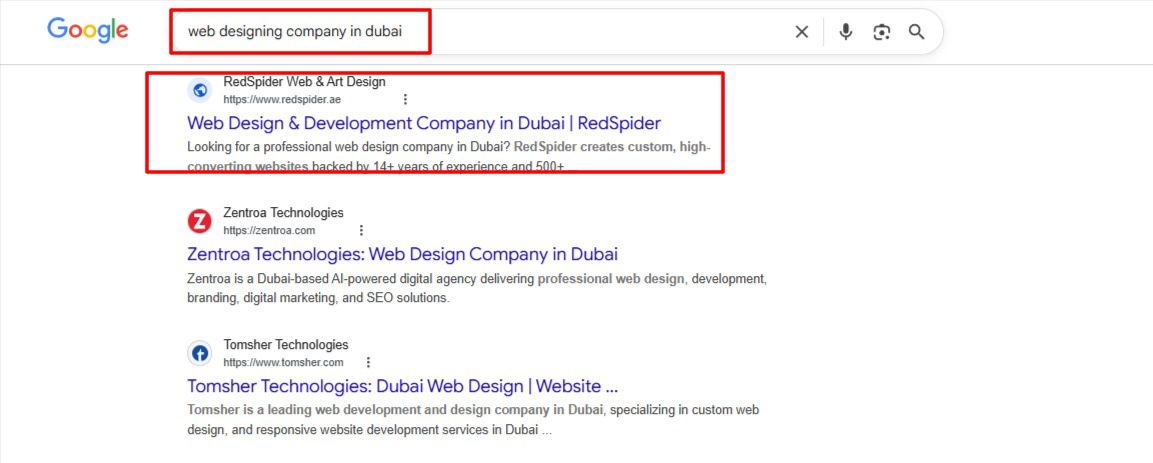
Resolving keyword cannibalization and improving page-level SEO clarity for a Dubai-based web design company.
Project Overview
- This project focused on identifying and resolving keyword cannibalization issues on a Dubai-based web design and development website.
- The website had strong authority and multiple service pages, but search engines were unable to clearly understand which page should rank for specific high-intent keywords.
- The objective was to improve search intent clarity, strengthen page relevance, and create a more structured SEO hierarchy.
Client Industry : Web Design & Web Development Services
Project Type : SEO Analysis & On-Page Optimization
SEO Focus Areas
- Keyword Cannibalization Resolution
- Search Intent Optimization
- Keyword Mapping
- Internal Linking Optimization
- Content Structure Refinement
- On-Page SEO Strategy
Category
Project Type : SEO Analysis & On-Page Optimization
SEO Case Study
Clients
Redspider Web art & Design
Location
Dubai
Published
Feb 01, 2026
Problem Identified
The website was targeting multiple commercial keywords across different pages without proper intent separation. As a result, Google received mixed ranking signals, causing internal competition between pages.
Primary Keywords Involved
- Web Design Dubai
- Web Development Dubai
Issues Discovered :
- Homepage ranking for multiple service intents
- Multiple pages targeting similar keywords
- Mixed content signals between design and development services
- Weak keyword-to-page targeting
- Homepage authority overpowering internal service pages. This created keyword cannibalization and reduced the clarity of page relevance in search engines.
SEO Audit Findings
A detailed SEO audit revealed several structural and content-level issues affecting search visibility.
Content Structure Issues
- Overlapping keyword usage across multiple pages
- Design and development topics combined within the same content structure
- Heading hierarchy lacking topical separation
Search Intent Problems
- No clear distinction between design-focused and development-focused pages
- Commercial keywords competing internally
Internal Linking Issues
- Inconsistent anchor text usage
- Weak contextual linking between services
- Poor signal distribution across important pages
Structural SEO Issues
- Homepage dominating search relevance
- Lack of clear website hierarchy
- Search engines unable to identify primary ranking pages
SEO Strategy Implemented
The optimization strategy focused on creating a cleaner SEO structure with stronger keyword intent alignment.
1. Keyword Mapping Strategy
Each page was assigned a single primary search intent to eliminate overlap.
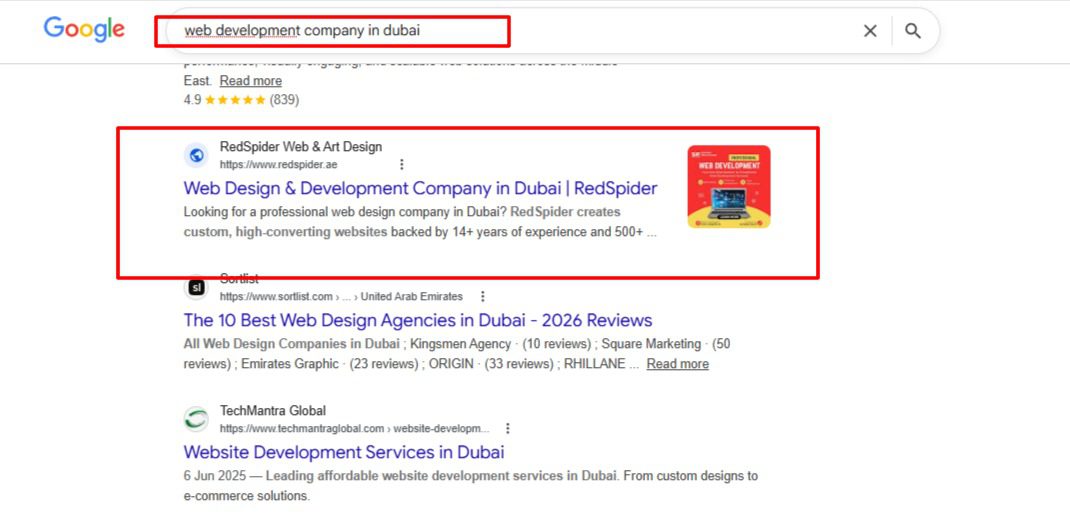
Homepage Target - Primary Focus: Web Design Dubai
Service Page Target - Primary Focus: Web Development Dubai
This created a stronger distinction between creative design services and technical development services.
2. Content Optimization
The page content was restructured to improve semantic clarity and topical relevance. Optimization Actions
- Removed overlapping keyword targeting
- Rewrote headings for clearer page intent
- Improved keyword relevance for individual services
- Refined content hierarchy and readability
2. Content Optimization
Meta titles and descriptions were updated to support clearer keyword targeting and reduce internal competition. Improvements Included
- Unique keyword targeting per page
- Better title relevance
- Improved search intent alignment
4. Internal Linking Optimization
A refined internal linking strategy was implemented to strengthen contextual relationships between pages. Internal SEO Improvements
- Intent-focused anchor texts
- Improved service-page connectivity
- Better keyword relevance distribution
5. Structural SEO Improvements
The website hierarchy was refined to create stronger page-role clarity. Key Changes
- Defined purpose for each page
- Reduced keyword overlap
- Improved crawl understanding
- Strengthened semantic page separation
Tools & Analysis Methods Used
- Google Search Console
- Google Analytics
- Ahrefs
- SERP Analysis
- Manual On-Page Audit
- Keyword Mapping Analysis
Key Outcomes
After implementation, the website achieved stronger structural clarity and improved keyword intent alignment
Results Observed
- Reduced keyword cannibalization
- Clearer page-level keyword targeting
- Improved search intent differentiation
- Better internal linking structure
- Stronger semantic relevance signals
- Improved SEO hierarchy clarity
Key Learning
This project reinforced an important SEO principle: One page should target one clear search intent.
Instead of targeting multiple competitive keywords across several pages, a structured keyword mapping strategy creates stronger relevance, cleaner ranking signals, and a more scalable SEO foundation.