
Technical SEO Analysis & SERP Structure Optimization
Resolving breadcrumb schema misclassification and improving search intent clarity for a large-scale web design website.
Project Overview
- This project focused on identifying and resolving a technical SEO issue affecting how Google interpreted the website structure and displayed pages in search results.
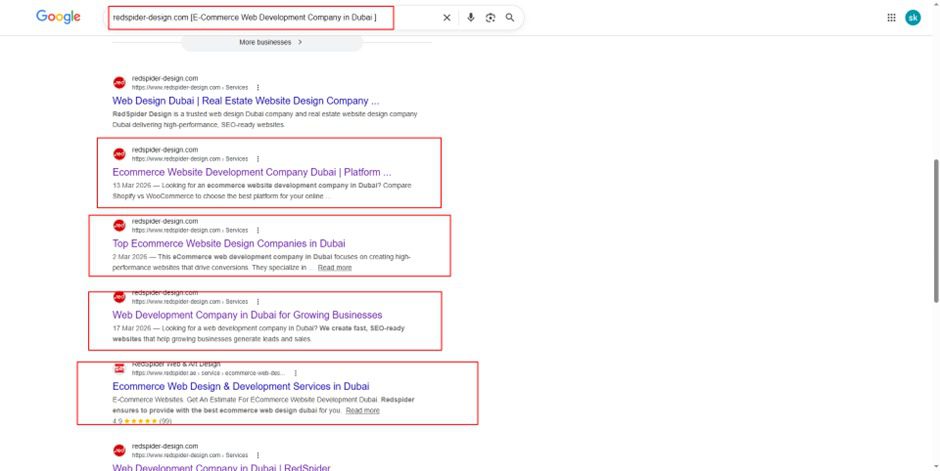
- During the SEO audit, multiple non-service pages such as blogs, About pages, and project pages were incorrectly appearing under the “Services” breadcrumb path in SERP.
- The issue extended across the entire website, indicating a structural signal conflict rather than an isolated page-level problem.
- The objective was to correct structured data signals, improve search intent separation, and restore accurate page hierarchy understanding within Google Search.
Core SEO Focus Areas
- Breadcrumb Schema Optimization
- Structured Data Analysis
- Search Intent Correction
- SERP Misclassification Resolution
- Internal Linking Optimization
- Technical SEO Audit
- Website Hierarchy Refinement
Problem Identified
Google was incorrectly classifying multiple pages under the “Services” breadcrumb category in search results. This included:
- Blog pages
- About page
- Project pages
- Blog listing pages
As a result, informational pages were being interpreted as commercial service pages.
Category
Technical SEO Audit
Clients
Location
Dubai - United Arab Emirates
Published
Feb 23, 2026
Observed SEO Issues
SERP Misclassification
- Blog pages displayed under “Services”
- About page categorized within service hierarchy
- Project pages grouped as service-related content
Search Intent Confusion
- Informational pages treated as transactional pages
- Google rewriting titles into service-oriented SERP titles
- Weak differentiation between blog and service content
Structural Signal Conflict
- Global breadcrumb schema applied across all pages
- Internal linking heavily reinforcing service signals
- Mixed keyword intent across content structure
This created a flattened website hierarchy where Google struggled to distinguish informational and commercial content types.
Technical SEO Audit Findings
A detailed technical SEO analysis revealed that the issue originated from incorrect structured data implementation combined with conflicting SEO signals.
Root Cause Identified
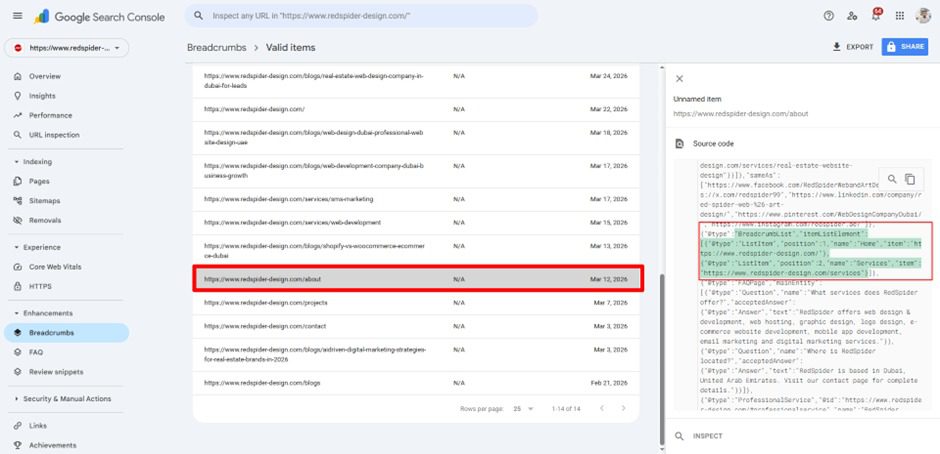
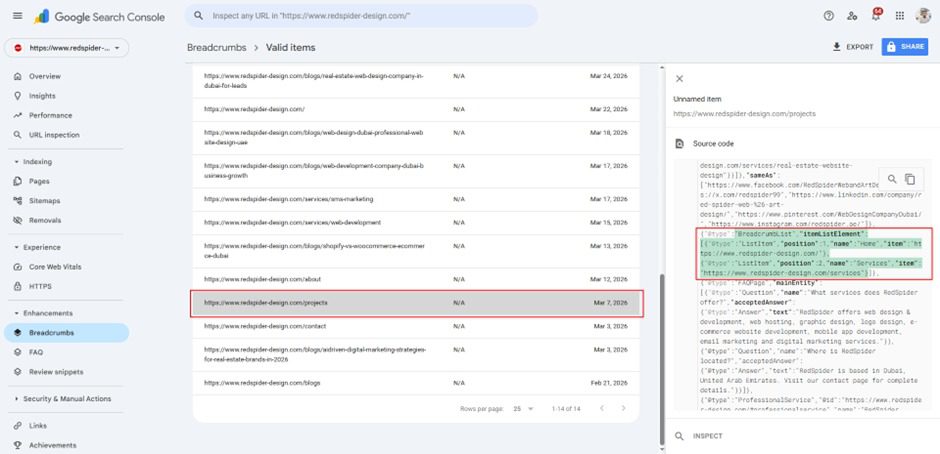
- A globally implemented breadcrumb schema was applied uniformly across the website:
- Existing Breadcrumb Structure [Home → Services]
- This same structure appeared across: Blogs , About pages, Projects, Service pages.
- From Google’s perspective, every page belonged under the “Services” category.

Why This Created SEO Problems ?
Google evaluates website structure using multiple signals:
- Structured data
- Internal linking
- Metadata
- Keyword intent
- Page hierarchy
Because all signals consistently reinforced “Services,” Google overrode the actual page intent and created an incorrect SERP structure.
SEO Strategy & Implementation
The solution focused on correcting both technical hierarchy signals and search intent alignment across the website.
1. Structured Data Audit & Cleanup
Actions Taken
- Audited globally implemented breadcrumb schema
- Identified incorrect static hierarchy structure
- Removed breadcrumb schema applied uniformly across templates
Technical Impact
This eliminated forced hierarchy signals and allowed individual page context to be redefined correctly.
2. Dynamic Breadcrumb Reconstruction
A new breadcrumb structure was implemented based on actual page types.
- About Page [Home → About]
- Blog Pages [Home → Blog → Article]
- Blog Listing [Home → Blog]
- Projects [Home → Projects]
- Services [Home → Services → Specific Service]
Result
This introduced clearer structural segmentation and improved Google’s understanding of page relationships.
3. Search Intent Optimization
Content intent signals were refined to reduce classification confusion.
Optimization Actions
- Removed service-oriented targeting from blog titles
- Replaced transactional keywords with informational intent keywords
- Improved topic-specific semantic relevance
Why This Matters
Titles act as strong relevance signals for Google. Intent mismatch can lead to title rewriting and incorrect SERP positioning.s.
4. Keyword Cannibalization Reduction
Commercial keywords were restricted strictly to service pages.
Updated Intent Structure
- Service pages → Transactional intent
- Blog pages → Informational intent
Titles act as strong relevance signals for Google. Intent mismatch can lead to title rewriting and incorrect SERP positioning.s.
5. Internal Linking Rebalancing
Internal linking signals were restructured to reduce excessive service-page dominance.
Improvements Included
- Reduced aggressive commercial anchor linking
- Introduced contextual internal links
- Improved blog-to-blog topical linking
- Strengthened relevance clustering
SEO Impact
This improved contextual relationships while reducing mixed intent signals.
6. Reindexing & Signal Refresh
Updated pages and structured data changes were submitted through Google Search Console.
Actions Taken
- Triggered URL reindexing
- Refreshed crawl signals
- Accelerated Google re-evaluation of site hierarchy
Tools & Analysis Methods Used
- Google Search Console
- Structured Data Testing
- SERP Analysis
- Manual Schema Audit
- Google Rich Results Validation
- Internal Linking Review
- Search Intent Analysis
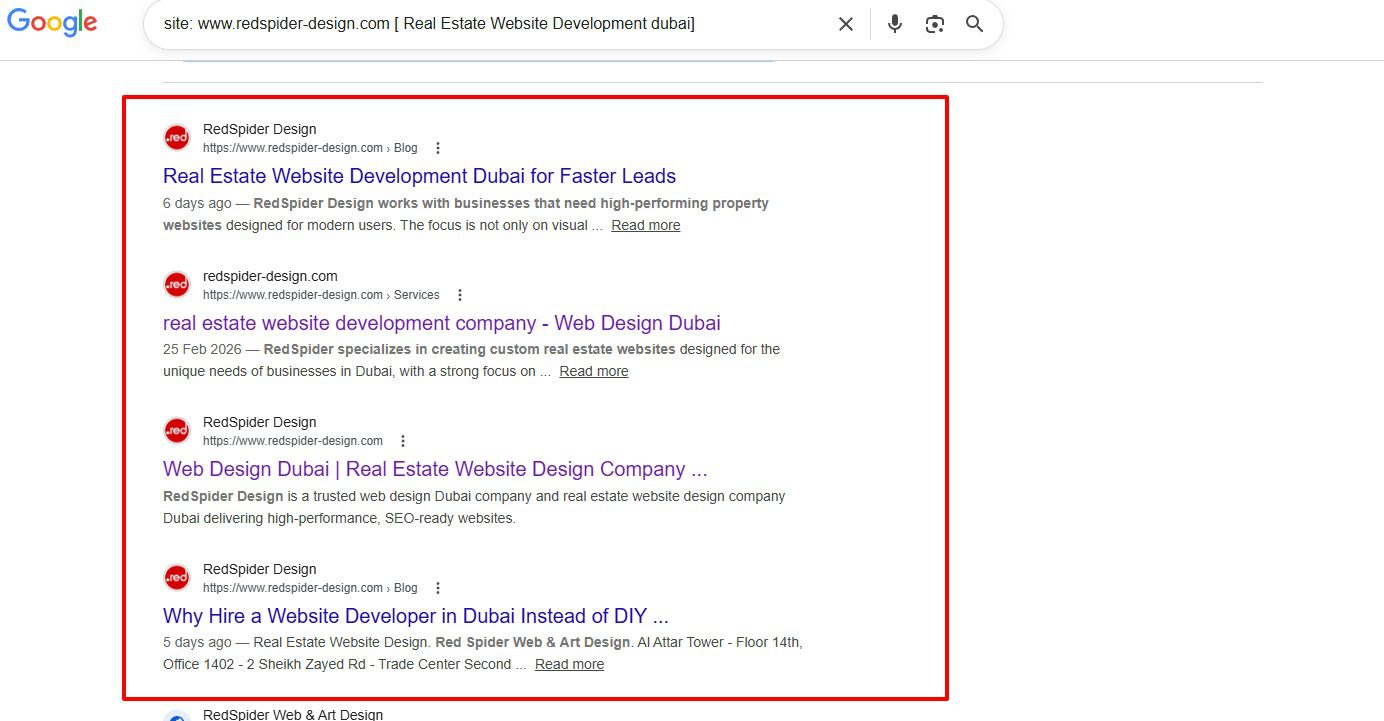
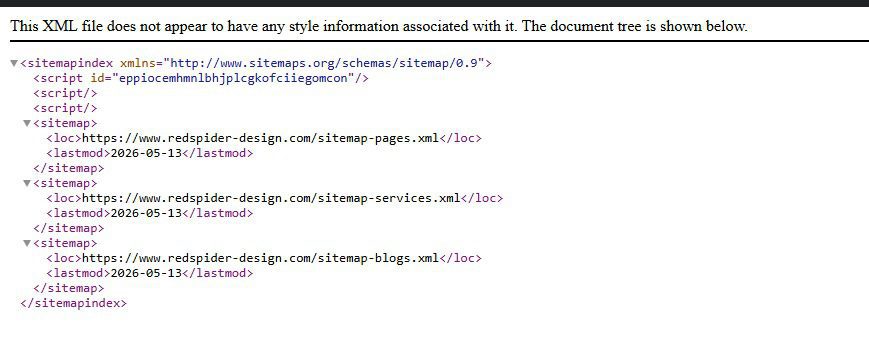
Key Outcomes
Following implementation, Google’s understanding of the website structure improved significantly.
Structural Improvements
- Breadcrumb hierarchy aligned correctly with page types
- Blog pages categorized under Blog hierarchy
- About and project pages separated from service structure
- Improved crawl-level structural understanding
Search Intent Improvements
- Informational pages recognized correctly
- Reduced commercial intent overlap
- Improved separation between blog and service content
SERP Improvements
- Improved SERP consistency
- improved SERP consistency
- Clearer page representation in Google Search
Technical SEO Improvements
- Corrected structured data hierarchy signals
- Improved breadcrumb schema implementation
- Reduced conflicting SEO signals across pages
- Strengthened page-level crawl interpretation
Key Technical SEO Insights
This project demonstrated how structured data and internal signals directly influence how Google interprets a website.
- Structured data heavily impacts SERP hierarchy interpretation
- Incorrect breadcrumb schema can flatten website architecture
- Google prioritizes signal consistency across SEO elements
- Proper hierarchy segmentation is essential for scalable SEO
Overall Project Conclusion
This project highlighted how technical SEO issues can affect not only rankings, but also how search engines interpret the overall structure and purpose of a website. By correcting breadcrumb schema, refining search intent signals, and restructuring internal SEO relationships, the website achieved a more accurate SERP structure and a stronger technical SEO foundation.